
How School Awareness Workshops Are Shaping a Healthier & Confident Generation
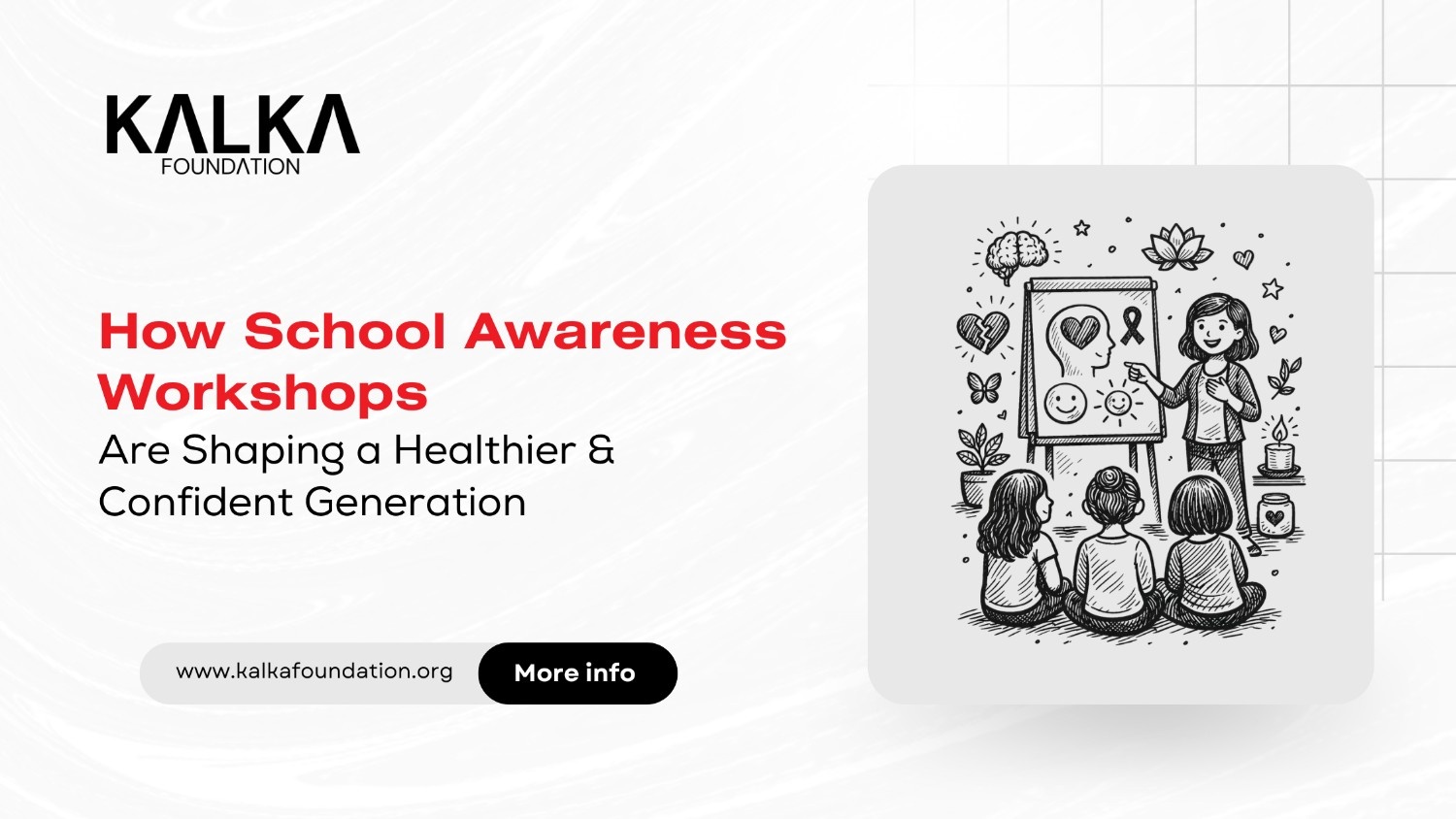
Adolescence is a crucial stage of growth where students experience emotional, physical, and psychological changes. Lack of awareness during this phase often leads to stress, confusion, and low self-confidence. Workshops in schools are becoming essential tools for empowering children. Welfare Kalka Foundation — a dedicated NGO in Ghaziabad — conducted a Mental Health and Menstruation Awareness Workshop at LR Public School for students of Classes 6 to 10. This initiative focused on improving mental health understanding, helping students identify stress triggers, and normalizing conversations about menstruation.
Overview of the Workshop
The workshop successfully created a trusting and supportive atmosphere where students could speak openly, share experiences, and learn important life skills without hesitation.
Workshop Date: 31 January
Organized By: Welfare Kalka Foundation — a trusted NGO in Ghaziabad
Venue: LR Public School
Teachers Involved: 2
Participants: Students from Classes 6 to 10
Focus Areas: Mental health awareness, stress-identification activities, menstrual hygiene education, confidence building
Key Highlights & Activities
The workshop included multiple engaging and meaningful activities:
Mental Health Awareness Session:
Students were guided through discussions on mental well-being, emotional health, and common stress triggers like academic pressure, peer influence, and changing emotions. Awareness about mental health at this age helps students build emotional resilience and reduces long-term stress.
Stress Identification Activities:
Interactive activities helped students discover what causes stress in their lives. These exercises encouraged self-reflection and equipped students with techniques to manage emotions healthily.
Menstruation Awareness Session:
An age-appropriate session explained the menstrual cycle, hygiene best practices, and the importance of maintaining physical health. Myths and misconceptions were openly addressed to break stigma.
Sharing First Menstruation Experiences:
Several girls shared their personal experiences of their first menstruation, creating a supportive and empowering environment. This helped reduce fear and embarrassment and encouraged mutual understanding among peers.
Student Engagement and Responsiveness:
Throughout the workshop, students actively asked questions, participated in discussions, and showed interest in learning. Their responsive engagement demonstrated the workshop’s success in reaching young minds.
Conclusion
The “Mental Health and Menstruation Awareness Workshop” organized by Welfare Kalka Foundation — an established NGO in Ghaziabad — proved to be more than just an educational event; it was a powerful step toward shaping a healthier, more confident generation. With strong teacher support, interactive engagement, and open conversations, the workshop empowered students to better understand their emotions, recognize stress triggers, and feel comfortable discussing sensitive topics like menstrual health. Programs like these help nurture informed, confident, and emotionally resilient youth — the foundation for a stronger and healthier society.